


Research

-
2026.06.08
A Stellar Dynamical Mass Measurement of a Supermassive Black Hole in the Early Universe
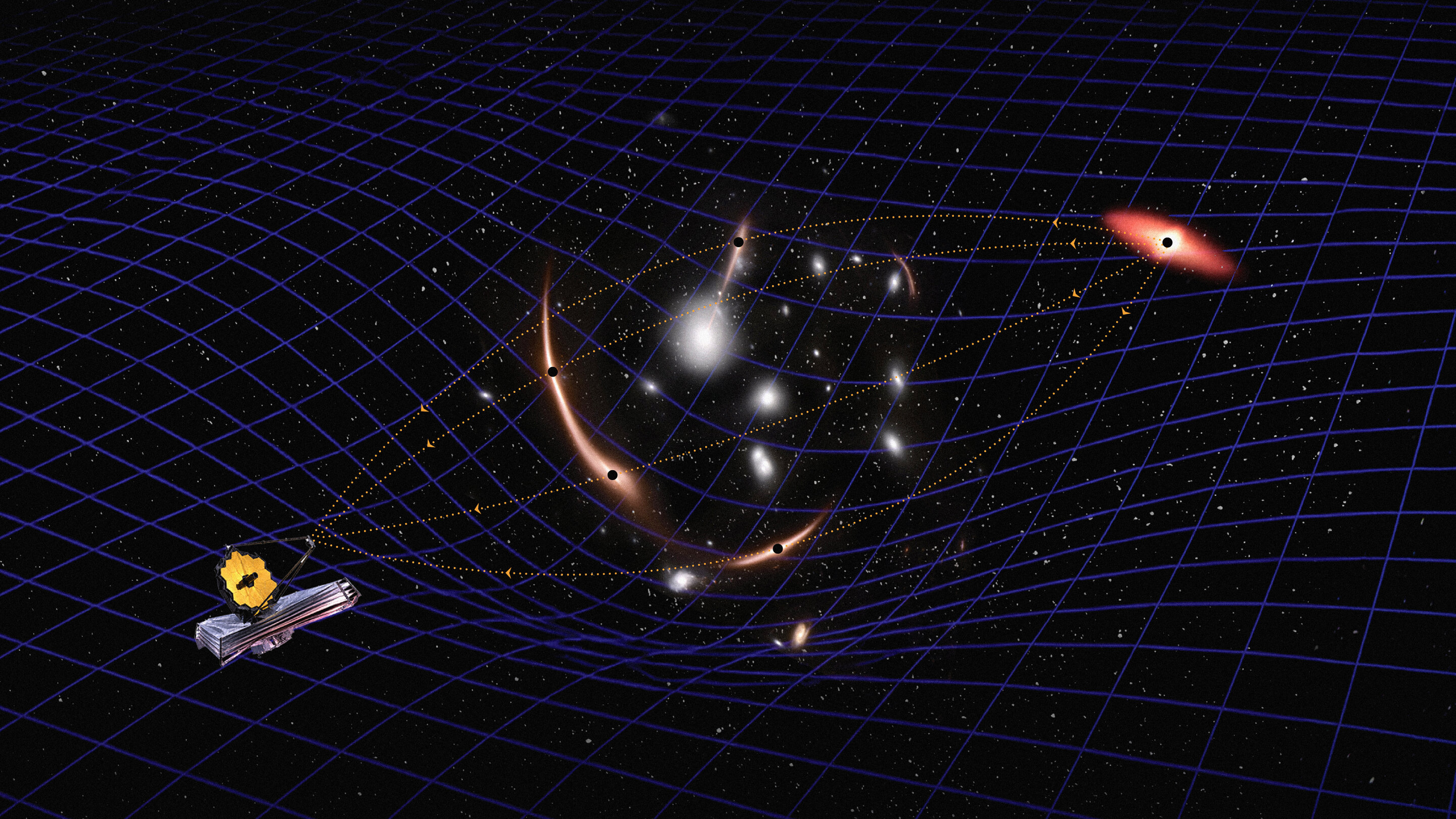
Introduction: On June 4, 2026, the journal Science published the paper "A stellar dynamical mass measurement of an inactive black hole at redshift 2," with Meng Gu, an assistant professor in the Department of Astronomy at Tsinghua University, as the 2nd author. Using James Webb Space Telescope (JWST) near-infrared integral field spectroscopy, together with the strong lensing magnification of a ...
More -
2026.04.14
Deciphering silicate cloud formation in the super-puff planet WASP-107 b
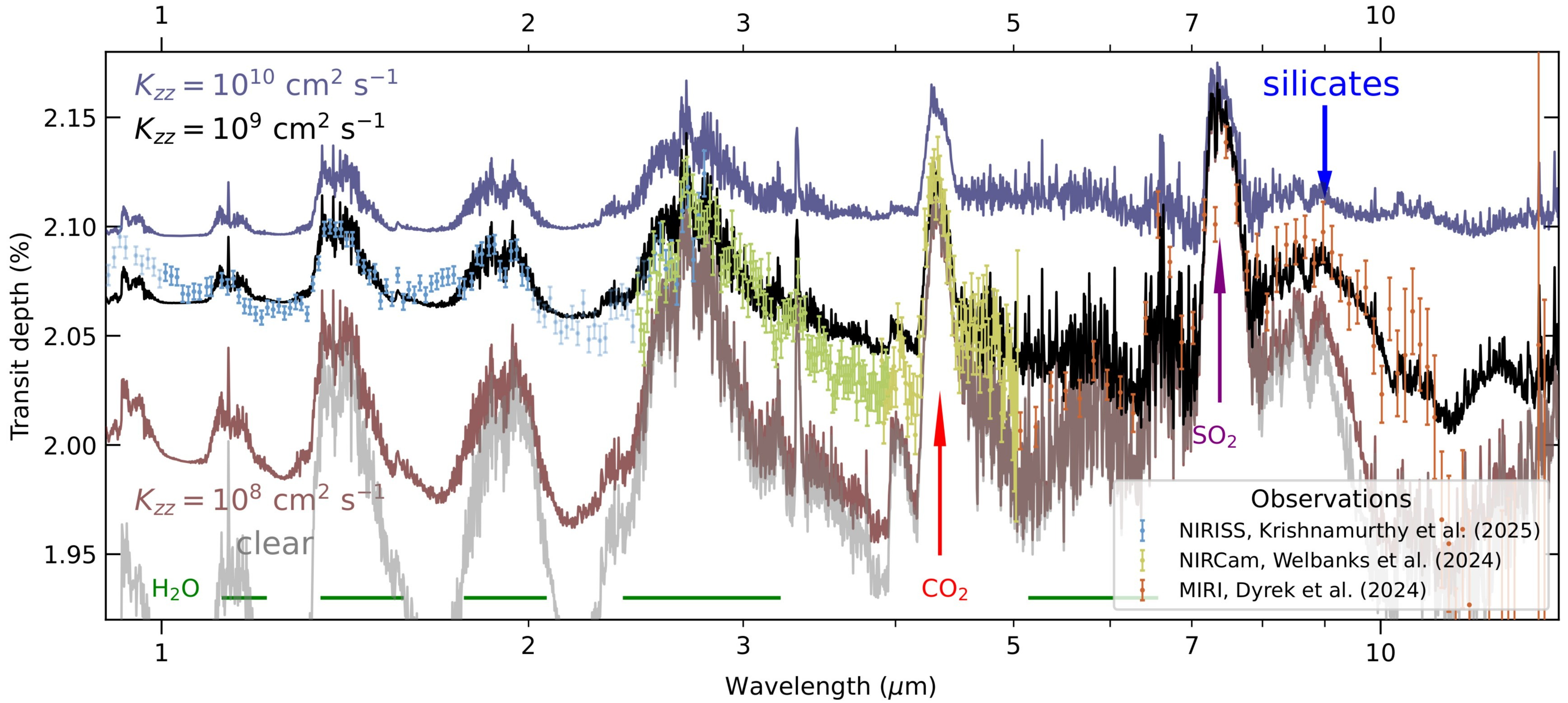
In a recent study led by the Department of Astronomy, Tsinghua University, a group of astronomers explained the silicate cloud features on a super-puff planet WASP-107 b with a self-consistent atmosphere model.The James Webb Space Telescope (JWST) opens up a new window to study the composition of exoplanet atmospheres. Benefiting from its broad wavelength coverage and extraordinary signal-to-no...
More -
2026.04.13
FAST Discovers a Rapidly Braking Millisecond Pulsar, Challenging Classical Theories of Neutron Star Evolution
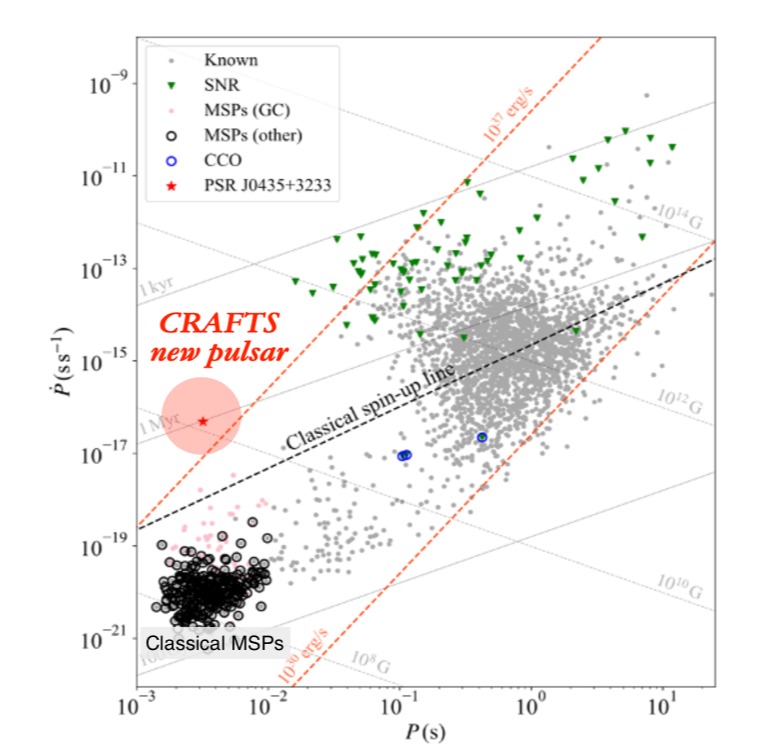
On April 8, 2026, a collaborative team from the Xinjiang Astronomical Observatory (XAO) of the Chinese Academy of Sciences, Tsinghua University, and the National Astronomical Observatories of the Chinese Academy of Sciences (NAOC) reported a major new result in Nature Astronomy. Through the CRAFTS survey with the Five-hundred-meter Aperture Spherical radio Telescope (FAST), the team discovered ...
More -
2026.02.26
How Turbulence Arises in Black Holes
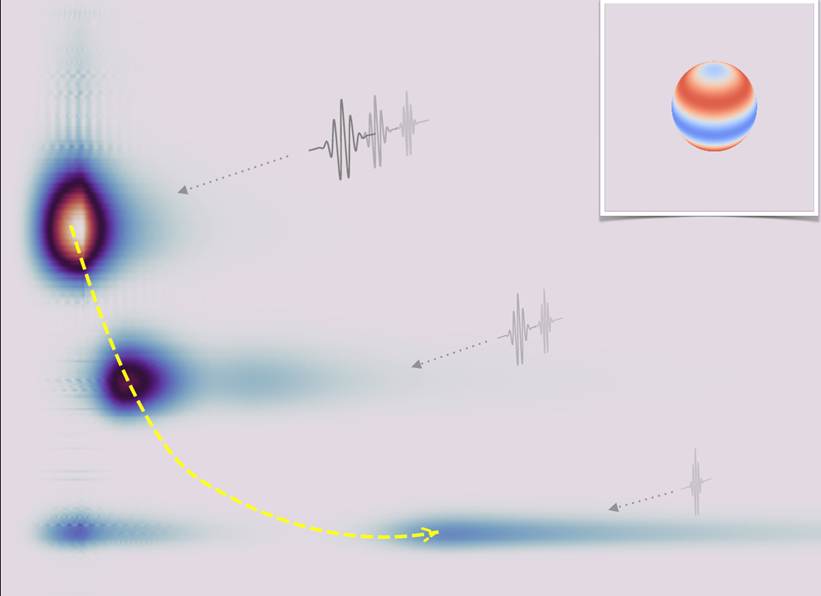
A research team led by Tsinghua University and the Institute for Advanced Theoretical Physics has revealed how black holes can exhibit turbulence-like phenomena similar to those found in fluids. Introducing a novel numerical relativity technique, the team was able to simulate gravitational waves directed into a black hole and observe its response. This approach enables a deeper understanding of...
More -
2026.02.20
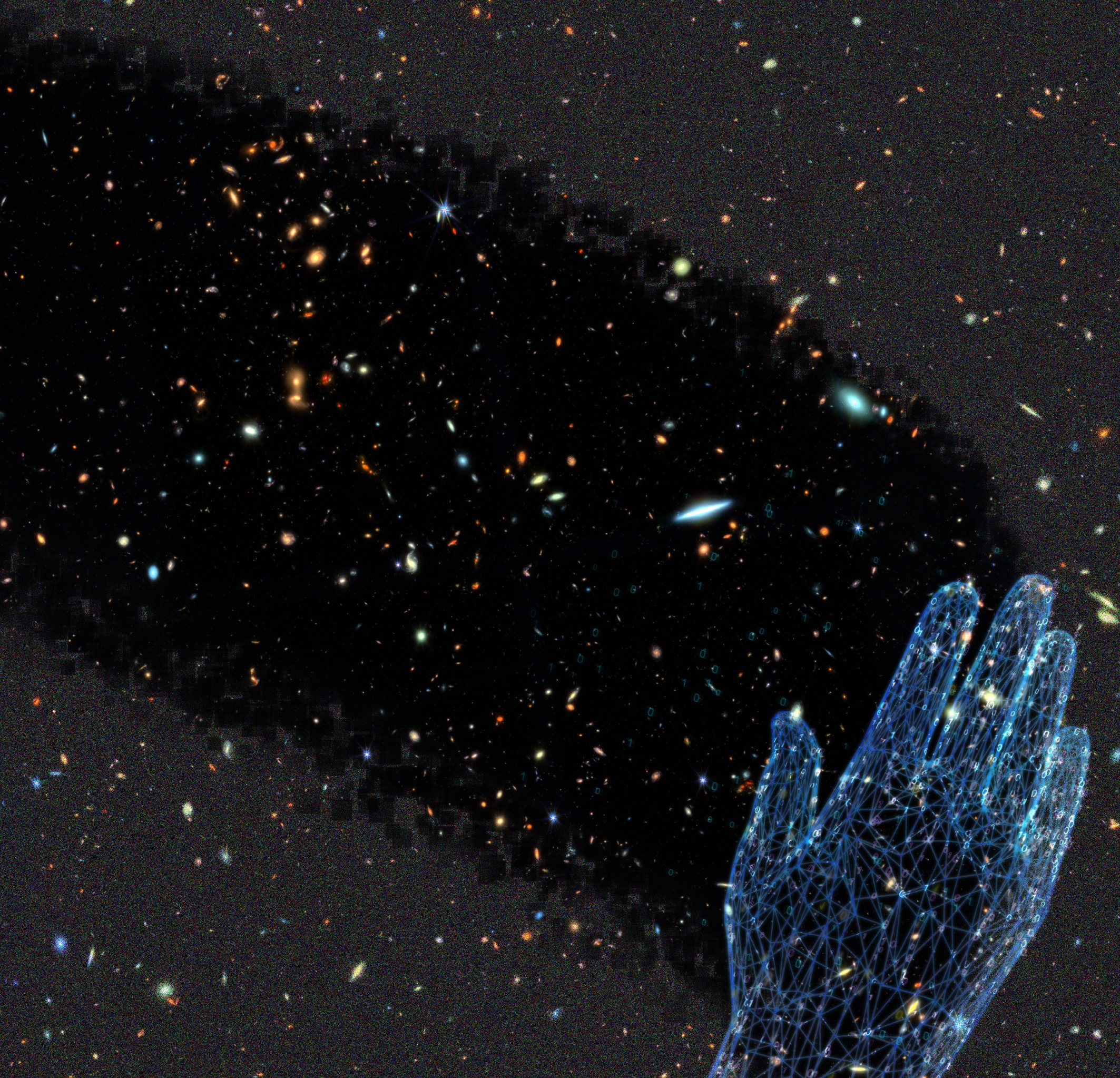
AI-Powered "ASTERIS" Model Pushes the Frontiers of Deep-Universe Exploration
A cross-disciplinary research team from Tsinghua University has announced a breakthrough in astronomical imaging with the development of ASTERIS (Astronomical Spatiotemporal Enhancement and Reconstruction for Image Synthesis), a pioneering AI model that significantly enhances our ability to see into the deepest reaches of the cosmos.The research, published in the journal Science on February 20 ...
More